

Business owners often face cash flow gaps that require flexible financing. A business line of credit is a type of small business loan that provides funding to draw from whenever you are in need of capital. This type of funding allows you to access money to handle cash flow gaps, buy more inventory, and address emergencies or opportunities that may arise. Understanding the different minimum payment structures is critical for maintaining healthy cash flow while managing debt obligations effectively.
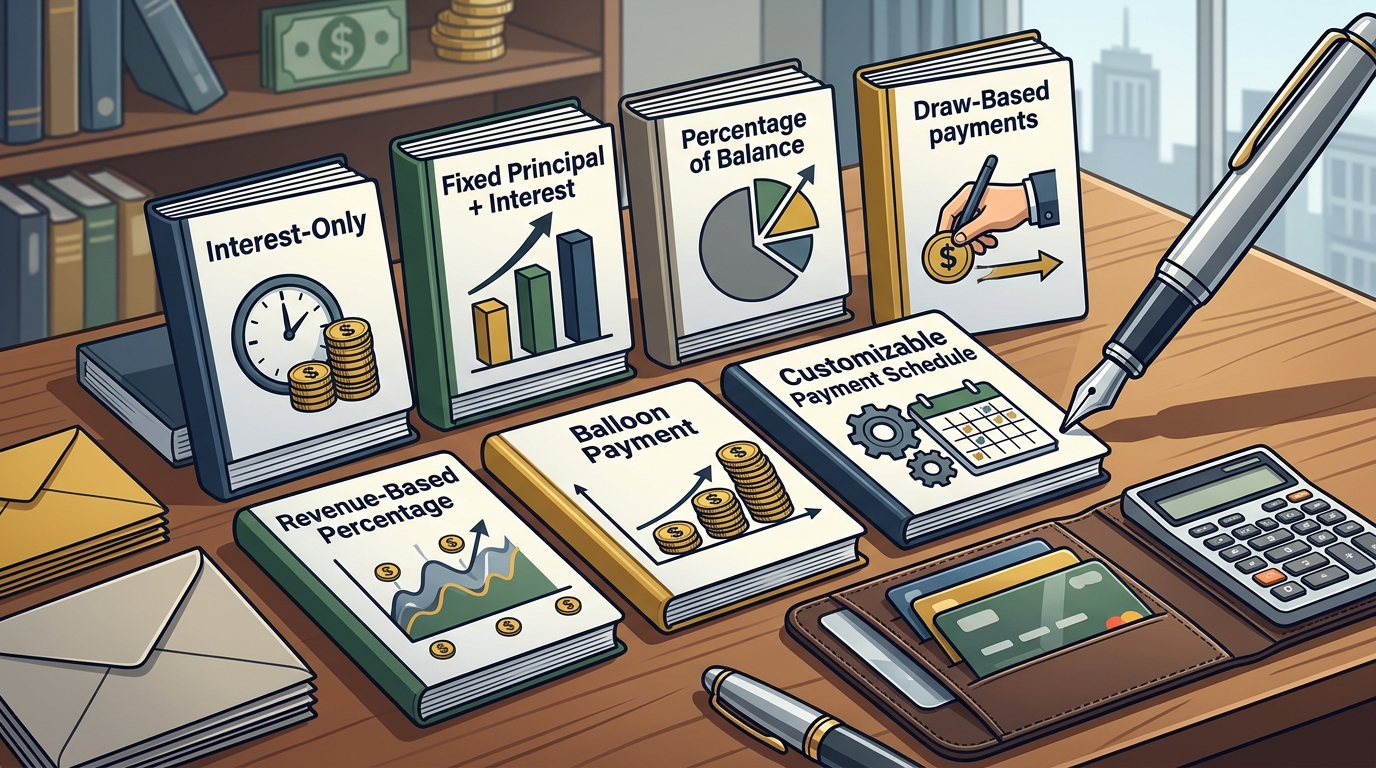
1. Interest-Only Payments
Interest-only payments allow you to pay only the accrued interest during a specified period. This structure is ideal for businesses that expect a surge in revenue later in the year. By deferring principal repayment, you preserve cash for operations or growth initiatives. This option is common in seasonal industries where revenue is not evenly distributed throughout the year.
2. Principal and Interest (Amortized) Payments
3. Minimum Payment Based on Drawn Amount
Minimum payments are calculated based on the outstanding balance you have drawn. In many revolving credit facilities, you are only required to pay a percentage of the amount currently borrowed. This flexibility allows you to pay less when you have drawn less capital. It is a highly efficient way to manage variable funding needs without overpaying.
4. Revolving Minimums
Revolving minimums require a set payment regardless of the balance, often tied to the total credit limit. Some lenders require a minimum payment even if the balance is low. This ensures the lender recovers a baseline amount of capital each month. It is important to review the specific terms to understand if this minimum is a fixed dollar amount or a percentage of the limit.
5. Pay-As-You-Go (Revenue-Based) Structures
Revenue-based funding requires payments that fluctuate with your monthly revenue. While not a traditional line of credit, this structure is often used for working capital needs. Payments are typically a percentage of daily or monthly sales. This aligns your repayment obligation with your ability to pay, providing relief during slower months.
6. Balloon Payment Structures
Balloon payments involve lower monthly payments with a large lump sum due at the end of the term. This option can significantly reduce monthly cash outflow during the life of the loan. However, it requires you to have a clear plan for repaying the remaining balance. This might involve refinancing, selling an asset, or using a future cash windfall.
7. Deferred Payment Periods
Choosing the Right Payment Structure
Selecting the right minimum payment option depends on your cash flow predictability. If your revenue is stable, an amortized payment structure may be best for long-term debt reduction. If your revenue is seasonal or volatile, interest-only or revenue-based structures offer more flexibility. Always align the payment schedule with your projected cash flow to avoid liquidity crises.
Frequently Asked Questions
What is the difference between a line of credit and a term loan?
A line of credit is a revolving facility where you can borrow, repay, and borrow again up to a limit. A term loan is a lump sum that is repaid in fixed installments over a set period. Lines of credit offer more flexibility for ongoing working capital needs.
Can I pay off my line of credit early?
Yes, most lines of credit allow you to pay off the balance early without penalties. However, some products may have prepayment fees or specific terms regarding early payoff. You should review your agreement to understand any associated costs.
How are minimum payments calculated on a line of credit?
Minimum payments are typically calculated as a percentage of the outstanding balance or as a fixed amount. The specific calculation method depends on the lender and the product terms. It is important to understand how this calculation works to budget accurately.
Do I need to pay interest if I don't draw funds?
No, you generally only pay interest on the amount you have actually drawn from the line of credit. If you have not borrowed any funds, you do not accrue interest. This is a key advantage of revolving credit facilities.
What happens if I miss a minimum payment?
Missing a payment can result in late fees and may negatively impact your credit score. It can also trigger default clauses in your agreement. It is crucial to communicate with your lender if you anticipate difficulty making a payment.
How does Creative Capital Solutions help with business lines of credit?
Creative Capital Solutions connects businesses with third-party funding providers for business lines of credit. We help you navigate the options to find a structure that fits your cash flow needs. Our team guides you through the application process to secure the right financing.
Next Steps
Ready to explore financing options that fit your business? Apply online or call us at (929) 604-0993 to speak with a specialist. Creative Capital Solutions is here to help you find the right capital solution for your growth.