

7 Factors That Make Quick Business Funding More or Less Expensive
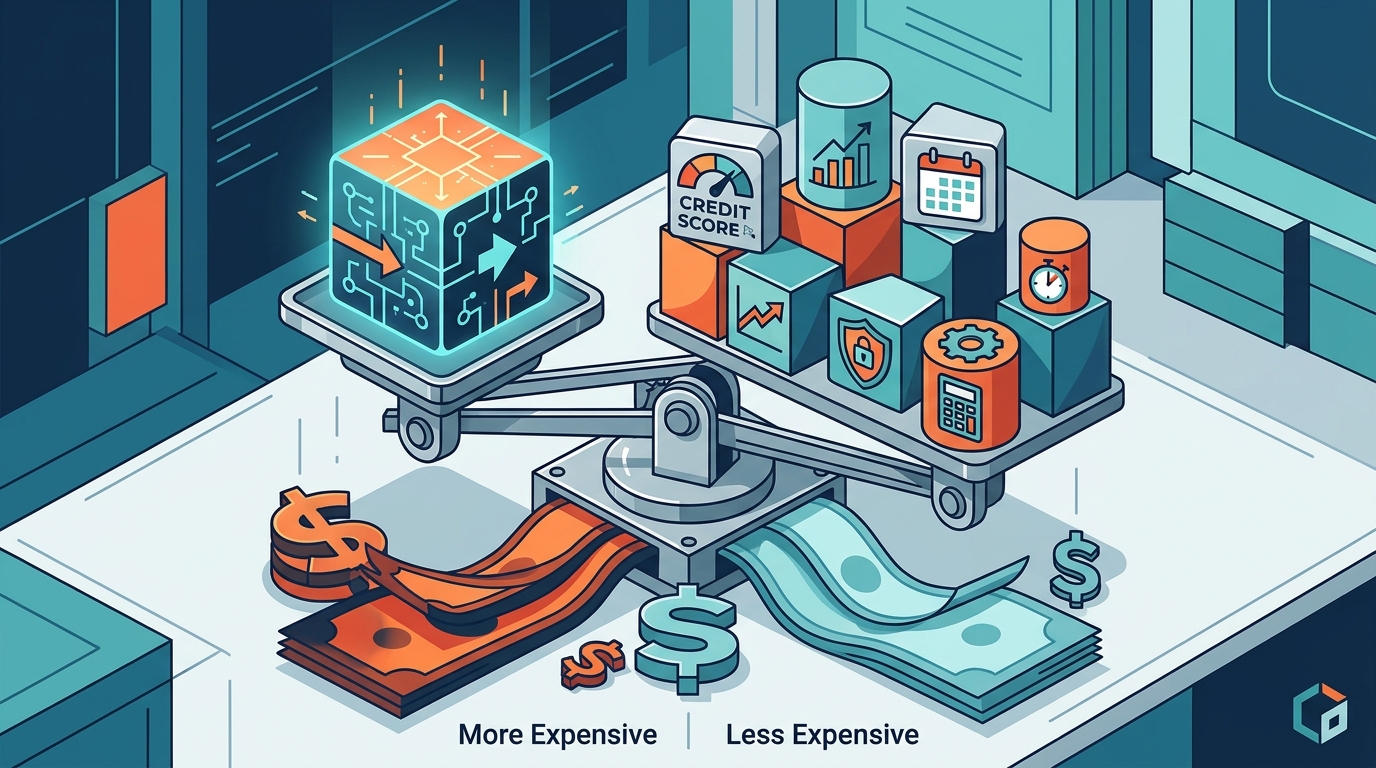
Business owners often seek rapid capital to seize opportunities or cover cash flow gaps, but the cost of this speed varies significantly. The price of quick business funding is not a fixed number; it is a dynamic calculation based on risk, revenue, and market conditions. Understanding these drivers helps you negotiate better terms and avoid unnecessary expenses. Creative Capital Solutions helps businesses navigate these variables to find financing that aligns with their specific financial profile.
1. Credit Score and Credit History
Your personal and business credit scores are the primary indicators of risk for most lenders. A higher credit score generally signals a lower probability of default, which can lead to more favorable pricing. Conversely, a lower score may result in higher fees or stricter terms to compensate for the increased risk. While credit is a major factor, it is not the only one, and businesses with less-than-perfect credit can still find viable options.
2. Time in Business
The age of your business directly impacts how lenders perceive your stability. Newer businesses often face higher costs because they have a shorter track record of consistent revenue. Lenders view established businesses with several years of operation as safer bets, which can translate to lower effective interest rates or fees. If you are a startup, expect that your pricing may reflect the higher risk associated with a new entity.
3. Monthly Revenue and Cash Flow
Strong, consistent monthly revenue is a key asset that can lower the cost of funding. Many alternative funding providers look at your bank statements and revenue history rather than just your credit score. Higher and more stable revenue streams demonstrate your ability to repay, which can improve your offer. Fluctuating or low revenue may lead to higher costs as the provider accounts for the variability in your cash flow.
4. Industry Risk Profile
The sector in which you operate plays a significant role in pricing. Some industries are considered higher risk due to seasonal fluctuations, regulatory changes, or economic sensitivity. For example, a restaurant may face different pricing dynamics than a software company. Lenders adjust their rates based on the inherent risks of your specific industry, so understanding your sector's profile is crucial for budgeting.
5. Funding Amount and Term Length
The size of the capital you need and how long you keep it affect the total cost. Larger funding amounts may qualify for better rates due to economies of scale, but they also require a larger repayment capacity. Shorter terms often carry higher monthly payments but may result in lower total interest paid over time. Balancing the amount you need with a term that fits your cash flow is essential for managing expenses.
6. Collateral and Assets
7. Market Conditions and Competition
Broader economic trends and lender competition influence the rates available to you. During periods of high interest rates, the cost of borrowing generally increases across the board. However, a competitive market with many funding providers can drive prices down as they vie for your business. Staying informed about market conditions and comparing multiple offers can help you secure the best possible terms. according to Competition and Markets
Choosing the Right Funding Option
Frequently Asked Questions
Does a lower credit score always mean higher funding costs?
Generally, yes, but it is not the only factor. Lenders also consider revenue, time in business, and industry risk. A business with a lower credit score but strong revenue may still qualify for competitive terms.
How does the amount of funding affect the price?
Larger amounts may qualify for better rates, but they also require a larger repayment capacity. The total cost depends on the term length and the specific pricing model of the provider.
Can I get funding if my business is new?
Yes, but new businesses may face higher costs due to a shorter track record. Providing strong financial projections and personal guarantees can help improve your offer.
What is the difference between a loan and an advance?
A loan is a debt that must be repaid with interest, while an advance is a purchase of future receivables. Advances are not loans and do not accrue interest in the traditional sense, but they have their own fee structures.
How can I lower the cost of my business funding?
You can lower costs by improving your credit score, increasing your revenue, providing collateral, and comparing multiple offers. Working with a broker like Creative Capital Solutions can help you find the best terms. according to Credit rating agency
Is approval guaranteed with Creative Capital Solutions?
No, approval is not guaranteed. All funding is subject to underwriting and lender approval. Creative Capital Solutions acts as a broker and connects you with third-party funding providers. Learn more: Creative Capital Solutions Contact.