

When comparing SBA credit programs to traditional business lines of credit, the primary difference lies in maximum funding limits and repayment structures. SBA loans typically offer higher maximum limits and longer terms, while business lines of credit provide lower limits with faster access to funds. Creative Capital Solutions helps businesses navigate these options to find the right fit for their specific capital needs.
Understanding SBA Loan Limits and Structures
SBA loans are long-term, low-interest small business loans that are partially guaranteed by the government. This government backing allows lenders to offer larger funding amounts and longer repayment periods than traditional commercial loans. The most common SBA programs are the 7(a) and 504 programs, each designed for different business needs.
The SBA 7(a) program is the main program and covers many purposes, including working capital, equipment, and real estate. It offers flexible terms that can extend up to 25 years for real estate and up to 10 years for other assets. The SBA 504 program is specifically for major fixed assets such as property and equipment that you will use for years. These programs are ideal for businesses that need significant capital for long-term growth and can allow time for a more detailed approval process.
Because SBA loans are partially guaranteed by the Small Business Administration, the risk for the lender is lower. This reduced risk translates to lower interest rates and higher funding limits for the borrower. However, the application process for SBA loans is more complex and requires more documentation than traditional business financing. It is important to note that Creative Capital Solutions is a broker that connects businesses with third-party funding providers and is not affiliated with the SBA.
Traditional Business Lines of Credit Limits
A business line of credit is a type of small business loan that provides funding to draw from whenever you are in need of capital. Unlike a term loan, which provides a lump sum, a line of credit gives you access to a set amount of money which you can borrow from, pay back, and borrow again. This revolving nature makes it ideal for managing cash flow gaps, buying inventory, or addressing emergencies.
Traditional business lines of credit typically have lower maximum funding limits compared to SBA loans. Most business lines of credit range from $10,000 to $1,000,000, depending on the lender and the borrower's financial profile. The advantage of a line of credit is speed and flexibility. You can draw funds as needed, and the approval process is generally faster than for SBA loans. This makes it a suitable option for businesses that need immediate access to capital for short-term needs.
Lines of credit can be secured or unsecured. A secured line is backed by business assets such as inventory or receivables and can carry a higher limit. An unsecured line needs no collateral but may have a lower limit and higher interest rate. The key benefit of a line of credit is that you only pay interest on the amount you draw, not the full limit. This makes it a cost-effective solution for businesses with fluctuating cash flow needs.
Comparing Funding Limits and Repayment Terms
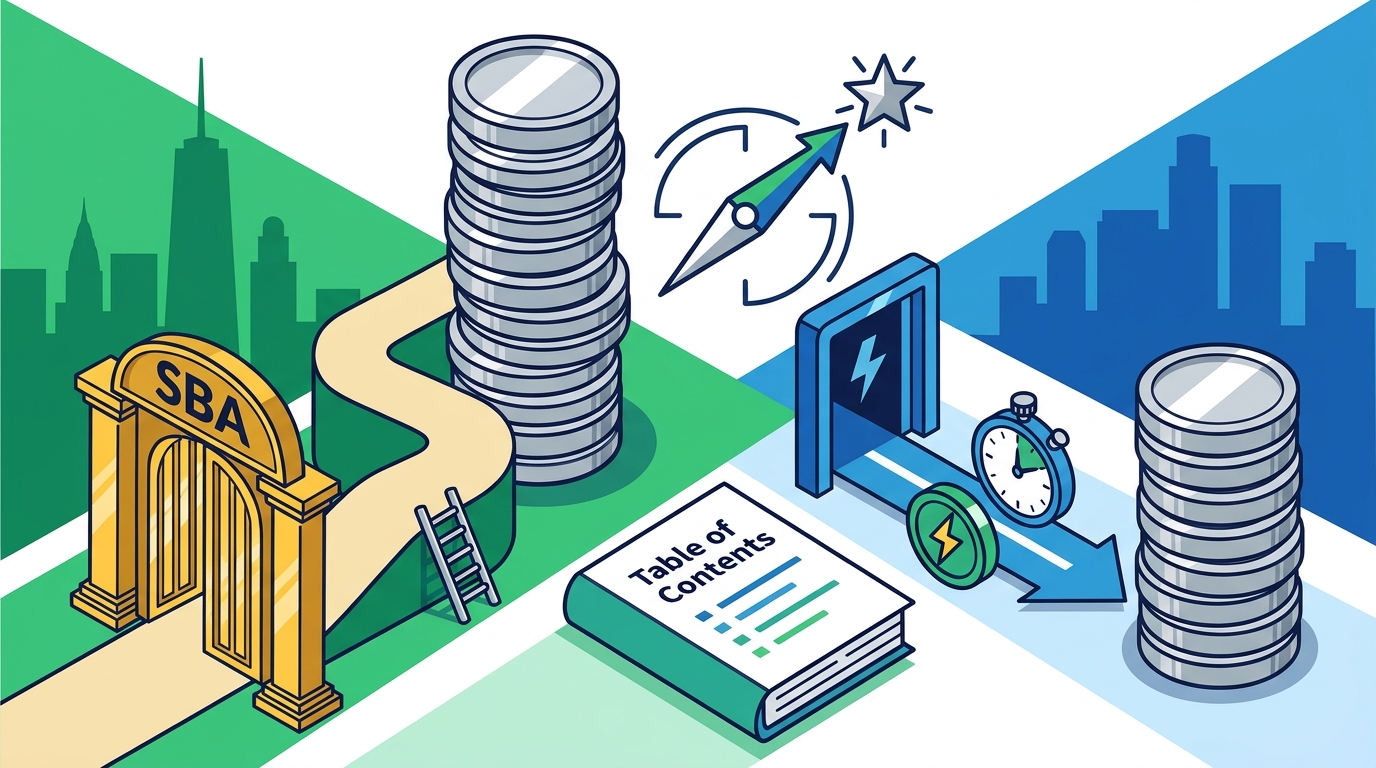
When comparing SBA credit programs to traditional business lines of credit, the funding limits are a significant differentiator. SBA loans can offer much higher funding amounts, often reaching into the millions, while business lines of credit are typically capped at lower amounts. The table below summarizes the key differences between these two financing options.
| Feature | SBA Loans | Business Lines of Credit |
|---|---|---|
| Repayment Term | Long-term, up to 25 years | Short-term, typically 6 to 36 months |
| Interest Rate | Lower, due to government guarantee | Higher, based on creditworthiness |
| Approval Process | Longer, requires more documentation | Faster, less documentation required |
| Best For | Long-term growth, real estate, major equipment | Cash flow management, inventory, short-term needs |
The choice between an SBA loan and a business line of credit depends on your specific business needs. If you need a large amount of capital for a long-term investment, such as purchasing real estate or major equipment, an SBA loan may be the better option. If you need flexible access to funds for short-term needs, such as managing cash flow or buying inventory, a business line of credit is likely the right choice.
Eligibility and Application Requirements
Both SBA loans and business lines of credit have eligibility requirements, but they differ in their focus. SBA loans typically require a more detailed financial review, including tax returns, financial statements, and a business plan. The SBA looks at the overall health of the business, including its ability to repay the loan over a long period. Business lines of credit, on the other hand, may have simpler eligibility requirements, focusing more on recent bank statements and credit history.
For both types of financing, your credit score is an important factor, but it is not the only one. Lenders also consider your time in business, monthly revenue, and existing debt obligations. If your bank said no, that does not mean you will not qualify for alternative financing. Creative Capital Solutions weighs time in business, monthly revenue, credit, and collateral together, not one factor alone. As a guide, businesses with 6 or more months of operating history, $10,000 or more in monthly revenue, and a FICO score of 500 or higher are typically considered for many financing options.
The application process for SBA loans is more time-consuming and requires more documentation. Our capital formation experts help you choose the right program and prepare your file for review. For business lines of credit, the process is faster. The key is to match the financing option to your specific needs and timeline.
Choosing the Right Financing for Your Business
Selecting the right financing option requires a clear understanding of your business goals and cash flow needs. If you are planning for long-term growth and can allow time for approval, an SBA loan may be the best choice. It offers lower interest rates and higher funding limits, which can help you spread the cost of major investments over a longer period. If you need money quickly for short-term needs, a business line of credit is a more suitable option. It provides fast access to funds and flexibility to draw and repay as needed.
It is also important to consider the cost of financing. SBA loans have lower interest rates, but they may come with fees and require more documentation. Business lines of credit have higher interest rates, but you only pay for what you use. The total cost of financing depends on how much you borrow, how long you keep it, and the interest rate. Creative Capital Solutions can help you evaluate the total cost of each option and choose the one that fits your budget.
Ultimately, the best financing option is the one that aligns with your business strategy and financial situation. Whether you choose an SBA loan or a business line of credit, it is important to work with a trusted partner who can guide you through the process. Creative Capital Solutions provides business-purpose financing and helps you find the right solution for your needs.
Key Takeaways
- SBA loans offer higher funding limits and longer repayment terms than business lines of credit.
- Business lines of credit provide faster access to funds and greater flexibility for short-term needs.
- SBA loans have lower interest rates due to government guarantees, but require a longer approval process.
- Business lines of credit have higher interest rates but allow you to pay only for the amount you draw.
- Eligibility for both types of financing depends on factors such as credit score, time in business, and revenue.
- Creative Capital Solutions helps businesses navigate these options to find the right fit for their capital needs.
Frequently Asked Questions
What is the maximum funding limit for an SBA loan?
What is the maximum funding limit for a business line of credit?
The maximum funding limit for a business line of credit typically ranges from $10,000 to $1,000,000. The exact limit depends on the lender, the borrower's creditworthiness, and the type of collateral offered. Secured lines of credit may have higher limits than unsecured lines.
Which is better for long-term growth: an SBA loan or a business line of credit?
An SBA loan is generally better for long-term growth because it offers higher funding limits, lower interest rates, and longer repayment terms. A business line of credit is better for short-term needs and cash flow management. The best choice depends on your specific business goals and timeline.
How long does it take to get approved for an SBA loan?
The approval process for an SBA loan typically takes longer than for a business line of credit. It can take several weeks to a few months, depending on the complexity of the application and the lender's review process. Business lines of credit generally feature a quicker application process.
Can I use a business line of credit to pay off an SBA loan?
It is possible to use a business line of credit to pay off an SBA loan, but it is not always the best option. You should carefully compare the interest rates, fees, and repayment terms of both financing options. Creative Capital Solutions can help you evaluate whether refinancing or consolidating your debt is the right move for your business.
Does Creative Capital Solutions offer SBA loans?
Creative Capital Solutions is a broker that connects businesses with third-party funding providers, including those that offer SBA loans. We help you navigate the SBA loan process and prepare your file for review. We are not a direct lender and are not affiliated with the SBA.
Conclusion
Choosing between SBA credit programs and traditional business lines of credit depends on your specific funding needs, timeline, and business goals. SBA loans offer higher limits and lower rates for long-term investments, while business lines of credit provide fast, flexible access to funds for short-term needs. Creative Capital Solutions is here to help you make an informed decision and find the right financing solution for your business. To discuss your options, contact our team. Learn more: Contact Us Creative Capital.