

Understanding SBA Loan Caps
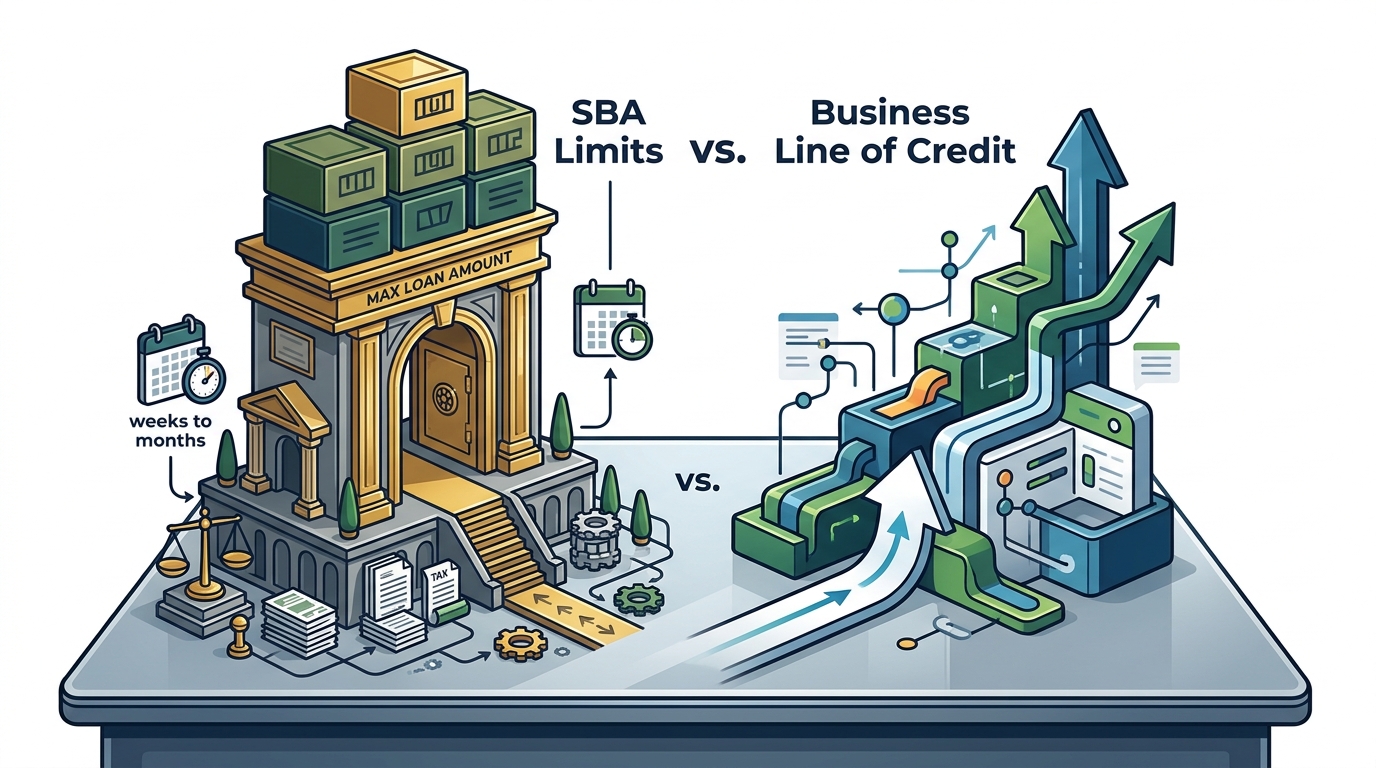
Eligibility for SBA loans is strict. Businesses must meet specific size standards based on industry and revenue. The application process is rigorous, requiring detailed financial statements, tax returns, and a comprehensive business plan. Because of this scrutiny, the approval process can take several weeks to months. However, the trade-off is access to capital that is often unavailable through traditional banking channels. according to Microloans Small Business
Traditional Line of Credit Limits
Speed and Accessibility Differences
One of the most critical differences between these two financing options is the speed of funding. SBA loans are known for their lengthy approval processes. The underwriting involves a thorough review of the business's financial health, industry risks, and the borrower's personal financial background. This process can take 30 to 90 days or longer. In contrast, traditional lines of credit can be approved and funded in as little as 2 to 3 business days. This speed makes lines of credit ideal for addressing immediate cash flow gaps or seizing time-sensitive opportunities.
Cost and Repayment Structures
The cost of borrowing differs significantly between SBA loans and lines of credit. SBA loans typically come with lower interest rates because of the government guarantee. The SBA charges a guarantee fee, which is added to the loan cost, but the overall interest rate is usually lower than what a private lender would charge for an unsecured or lightly secured loan. Repayment terms for SBA loans are also longer, often ranging from 7 to 25 years depending on the use of funds. This extended timeline reduces the monthly payment burden, making it easier for businesses to manage cash flow.
Lines of credit, on the other hand, usually have higher interest rates and shorter repayment terms. Since the lender is not backed by a government guarantee, they charge a premium for the increased risk. Repayment terms for lines of credit are typically shorter, often requiring interest-only payments during the draw period and full repayment within a few years. This structure is suitable for businesses that need temporary capital and have the cash flow to repay quickly. It is less ideal for long-term investments that require years to generate returns.
Choosing the Right Financing Option
Selecting between an SBA loan and a line of credit depends on the specific needs of the business. If you require a large amount of capital for long-term growth, such as purchasing real estate, expanding operations, or acquiring another business, an SBA loan is likely the better choice. The higher limit and lower cost make it a viable option for significant investments. If you need smaller amounts of capital for short-term needs, such as covering inventory, payroll, or seasonal fluctuations, a line of credit is more appropriate. The flexibility and speed of a line of credit make it a valuable tool for managing day-to-day operations.
Businesses should also consider their credit profile and financial history when making this decision. If you have a strong credit score and a solid business track record, you may qualify for both options. In this case, you can compare the terms and costs of each to determine which fits your financial strategy. If your credit score is lower or your business is newer, you may find it easier to qualify for a line of credit from an alternative lender. However, you should be aware that these options often come with higher costs and lower limits.
Key Takeaways
- SBA loans offer lower interest rates and longer repayment terms due to the government guarantee.
- Lines of credit provide faster funding, often within 2 to 3 business days, compared to the weeks or months required for SBA loans.
- Eligibility for SBA loans is strict, requiring detailed financial documentation and a strong business history.
- Alternative lenders may offer lines of credit with more flexible criteria but often at higher costs.
- Businesses should choose financing based on the amount needed, the speed of funding, and the long-term financial impact.
Frequently Asked Questions
What is the maximum amount for an SBA 7(a) loan?
How much can I borrow with a traditional business line of credit?
Which is faster, an SBA loan or a line of credit?
Lines of credit are significantly faster. They can be approved and funded in as little as 2 to 3 business days. SBA loans take much longer, often 30 to 90 days or more, due to the rigorous underwriting process and government involvement.
Do SBA loans have lower interest rates than lines of credit?
Yes, SBA loans generally have lower interest rates because the SBA guarantees a portion of the loan, reducing the lender's risk. Lines of credit, especially from private lenders, typically have higher interest rates to compensate for the increased risk.
Can I use an SBA loan for working capital?
Yes, SBA 7(a) loans can be used for working capital, as well as for other purposes such as equipment purchases, real estate, and business acquisition. However, the application process is more complex than for a line of credit, which is specifically designed for working capital needs.
What are the eligibility requirements for SBA loans?
Eligibility for SBA loans requires meeting specific size standards, having a good credit score, and providing detailed financial documentation, including tax returns and financial statements. The business must also be for-profit and operate in the United States.
How does Creative Capital Solutions help with financing?
Creative Capital Solutions acts as a broker, connecting businesses with third-party funding providers. We help you navigate the options available, including lines of credit and other financing products, to find the best fit for your needs. We do not lend money directly but assist in the application and approval process.
Next Steps for Your Business
Understanding the differences between SBA loan limits and line of credit maximums is the first step in securing the right financing for your business. If you are considering a large-scale investment, an SBA loan may be the best option. If you need quick access to smaller amounts of capital, a line of credit is likely more suitable. Creative Capital Solutions can help you evaluate your options and connect you with the right funding providers. To start the process, apply for financing or for a consultation.